
Reclaiming Batangas City from E-Waste
Snap a photo, pin the location, and a registered collector clears it. e-Hakot connects residents, junk shops, and barangay officials in one shared reporting system.
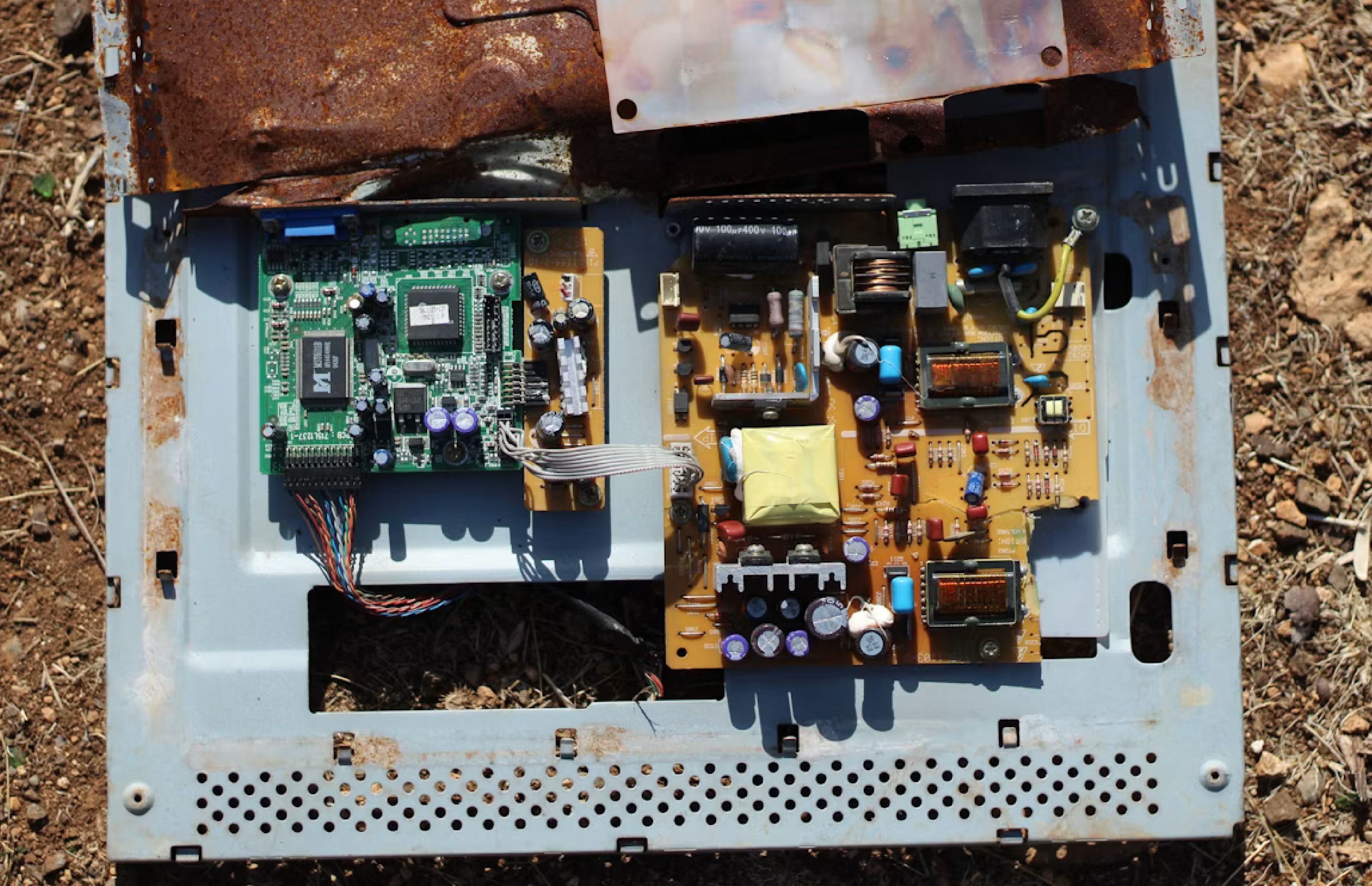
A socio-technical approach to a physical problem
e-Hakot treats e-waste dumping as a coordination problem, not just a collection problem.
Community Well-being
Clearing alleyways of abandoned electronics protects families from the lead, mercury, and other hazards embedded in old devices.
Sustainable Systems
Every report feeds a shared record connecting residents, junk shops, and barangay officials — turning scattered pickups into a coordinated system.
Easy Reporting
Snap a photo, pin the spot, done. No app to install, and it works over Messenger for residents on a limited data plan.
Educational Resources
Barangays get plain-language guidance on identifying hazardous components and handling them safely before collection.
Built for two very different users
For Residents
A faster, safer way to deal with e-waste in your barangay.
Clear the alley next door
Get abandoned electronics out of walkways and waterways near your home.
Reduce health risks
Hazardous materials like CRT lead and battery acid stop sitting exposed in the open.
Report in under a minute
Through the web app or Facebook Messenger — whichever fits your data plan.
For Stakeholders & Manufacturers
Real data on where and how e-waste actually accumulates.
See where waste actually accumulates
Hazard-tagged, geolocated reports reveal real dumping patterns, barangay by barangay.
Formalize informal collection
Registered junk shops get verified pickups and traceable records instead of ad hoc scrap runs.
Build toward reverse logistics
Structured data lays the groundwork for manufacturer take-back and recycling partnerships.
Batangas State University
About the research
e-Hakot began as an applied research project at Batangas State University, studying how abandoned electronics accumulate in the city's alleys and waterways. Working with selected barangays, the research team mapped informal collection routes, catalogued hazard types, and tested whether a shared reporting system could shift behavior — from dumping to reporting.
The platform is currently piloting in select barangays, with findings feeding back into how collection routes and collector incentives are designed.